
Seed Collecting Guide
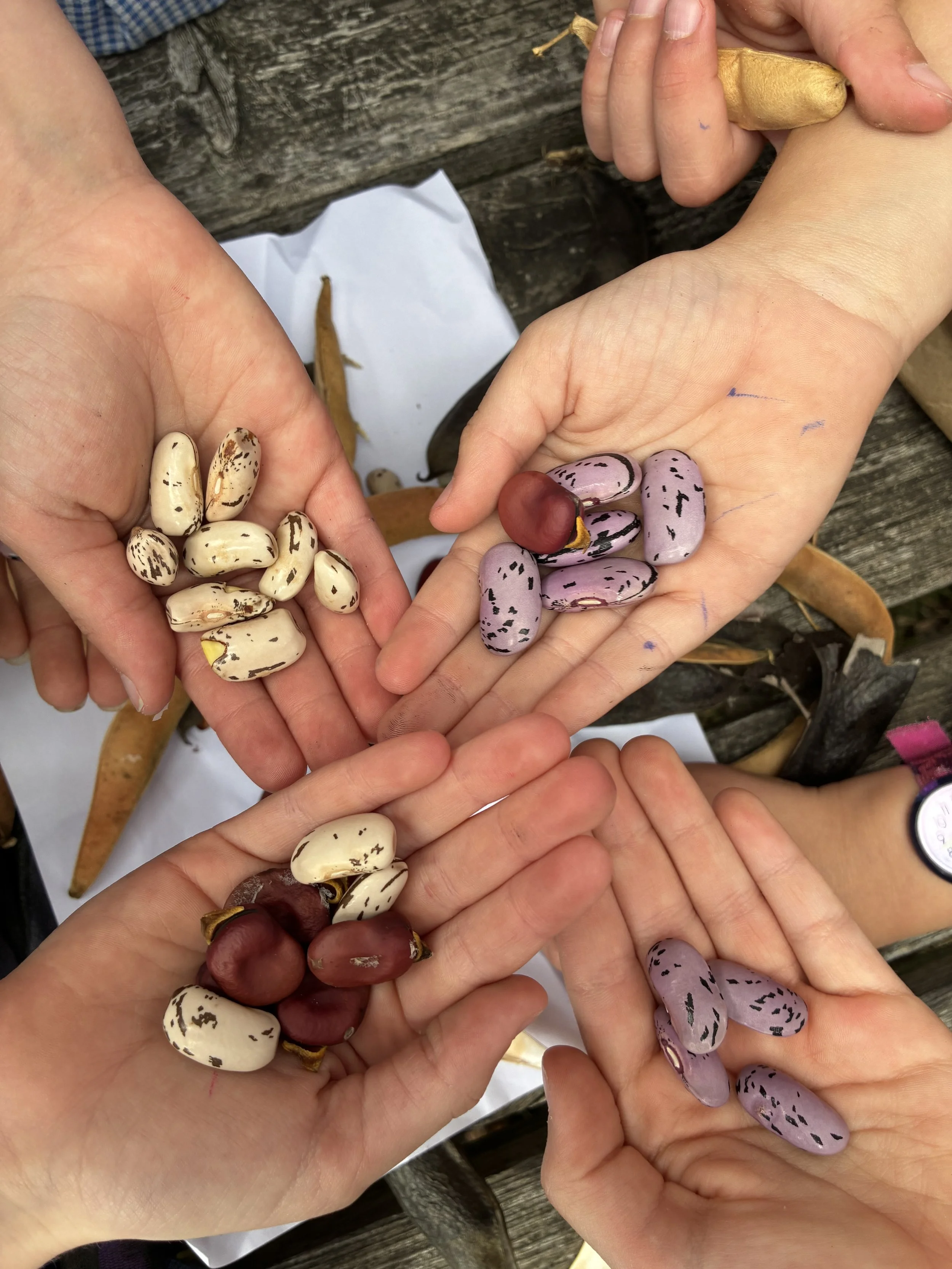
Seeds to Collect from Your Garden in October
October is a wonderful month for seed collecting. Many flowers, herbs and vegetables are coming to the end of their growing season, leaving behind seeds that can be saved and sown next year.
Collecting seeds is free, reduces waste and is a lovely activity to enjoy with children. It also helps children understand the full plant life cycle—from sowing and growing to flowering, harvesting and saving seeds for another year.
Before you begin
Choose a dry day and collect seeds from healthy, strong plants. Seeds should be fully mature before they are picked.
You will need:
Paper bags or envelopes
A pen for labelling
A tray or sheet of paper
Clean scissors
Gardening gloves
Avoid storing seeds in plastic bags because they can trap moisture and encourage mould. Remember that seeds saved from plants labelled F1 hybrids may not grow exactly like the parent plant.
Chilli seeds
Leave chillies on the plant until they are fully ripe and have developed their final colour—usually red, orange or yellow.
Cut the chilli open and carefully scrape the seeds onto a piece of kitchen paper. Spread them out and leave them to dry somewhere warm for one to two weeks.
Wear gloves when handling hot chillies and avoid touching your face or eyes. Children should only collect chilli seeds with close adult supervision.
Fennel seeds
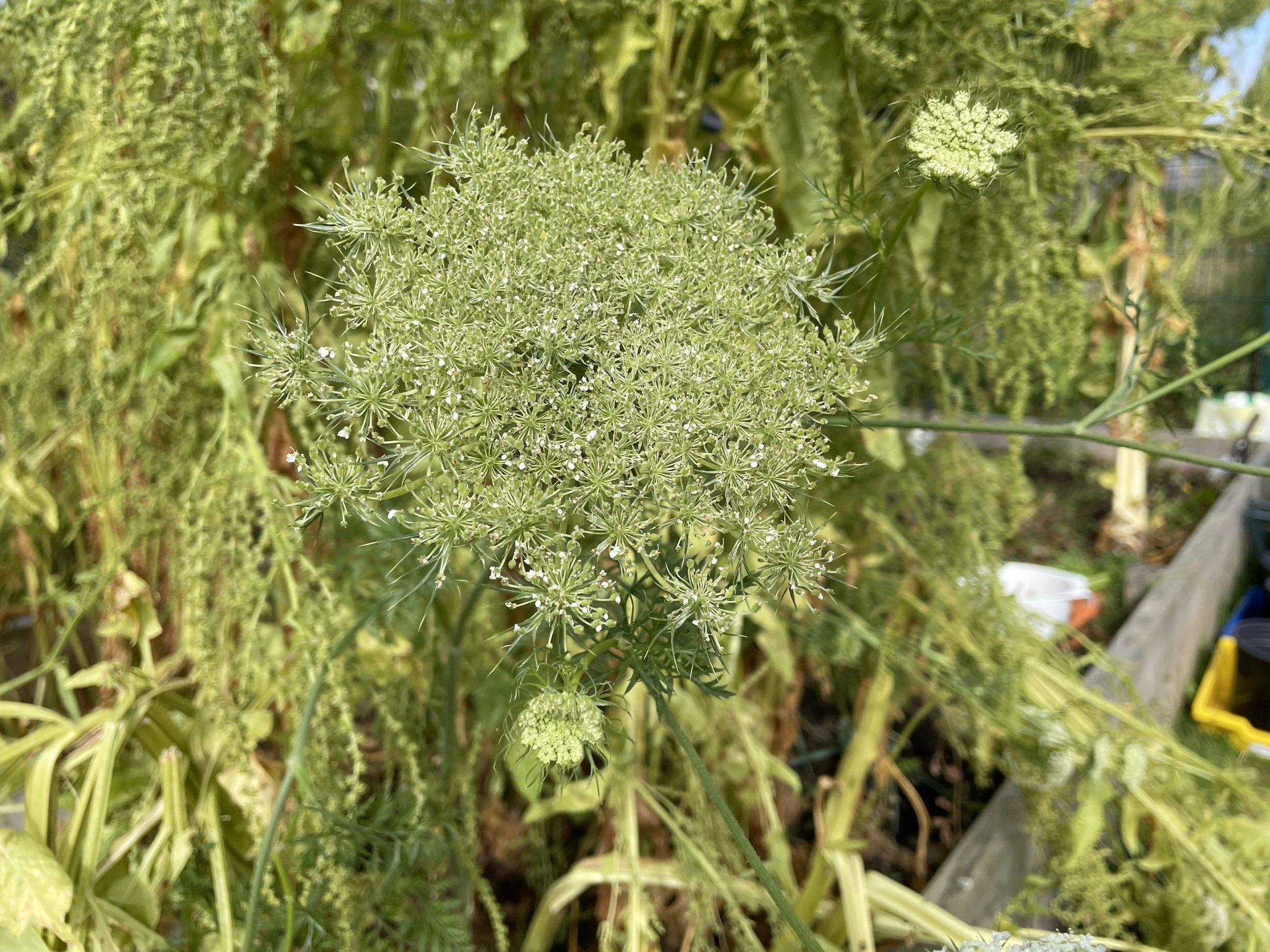
Fennel produces clusters of yellow flowers followed by wonderfully fragrant seeds. Leave the flower heads on the plant until the seeds turn brown and feel dry.
Cut the seed heads into a paper bag and hang them upside down somewhere dry. Give the bag a gentle shake every few days to release the seeds.
The seeds can be saved for planting. If the plant has not been sprayed or treated with unsuitable chemicals, they can also be used in cooking. Fennel seeds taste delicious in bread, biscuits, curries and roasted vegetables.
Bean seeds
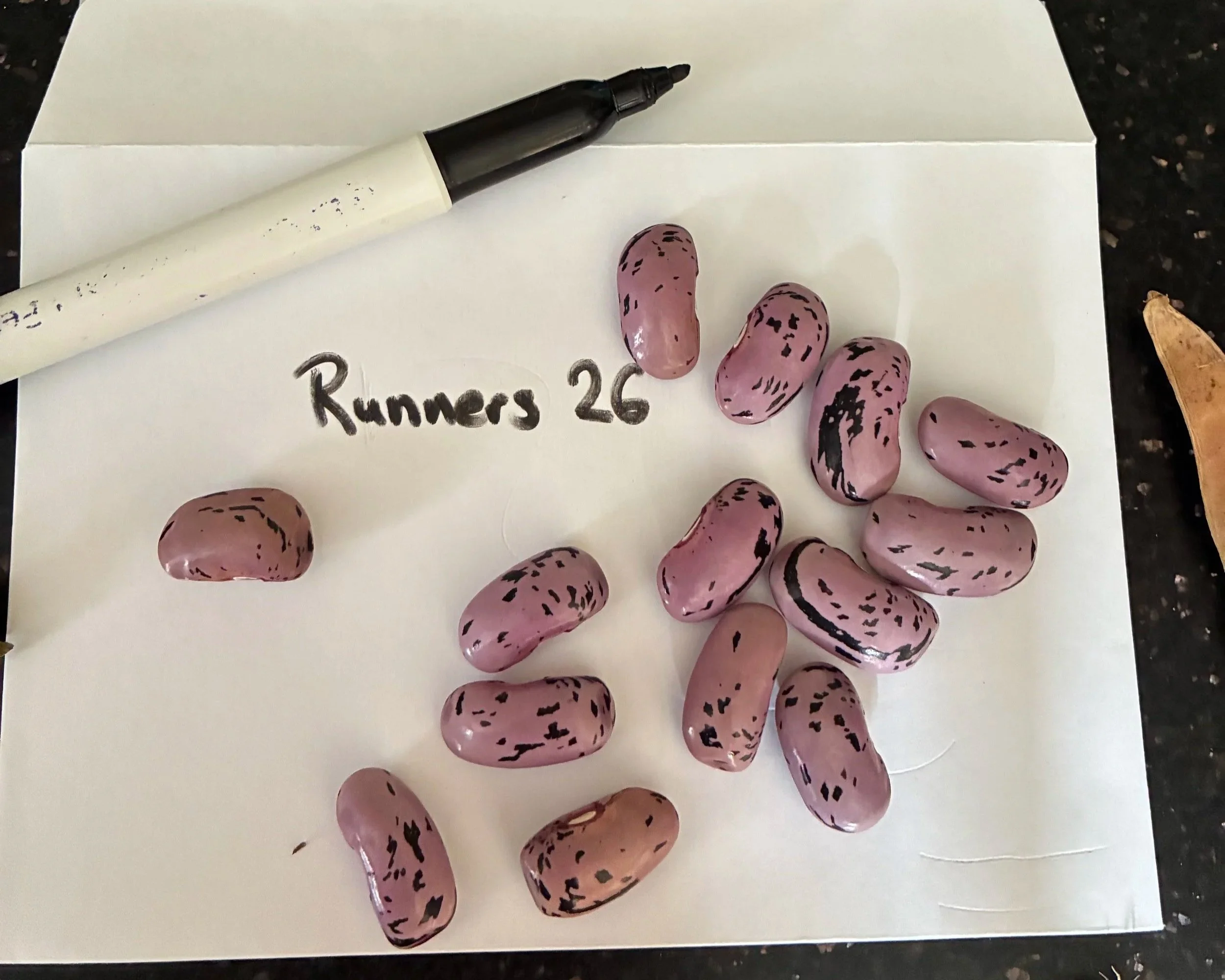
Leave a few bean pods on the plant instead of picking them to eat. Allow the pods to become brown, dry and papery.
Pick the pods on a dry day and open them to reveal the beans inside. Spread the beans on a tray and leave them indoors for another week so they are completely dry before storing.
Runner beans, French beans and climbing beans can all be collected this way. Choose seeds from healthy plants that produced a good crop.
Pea seeds
Pea seeds can be saved in the same way as beans. Leave several pods on the plant until they are dry, brown and beginning to rattle.
Remove the peas from their pods and allow them to dry indoors before placing them in a labelled envelope.
Sunflower seeds
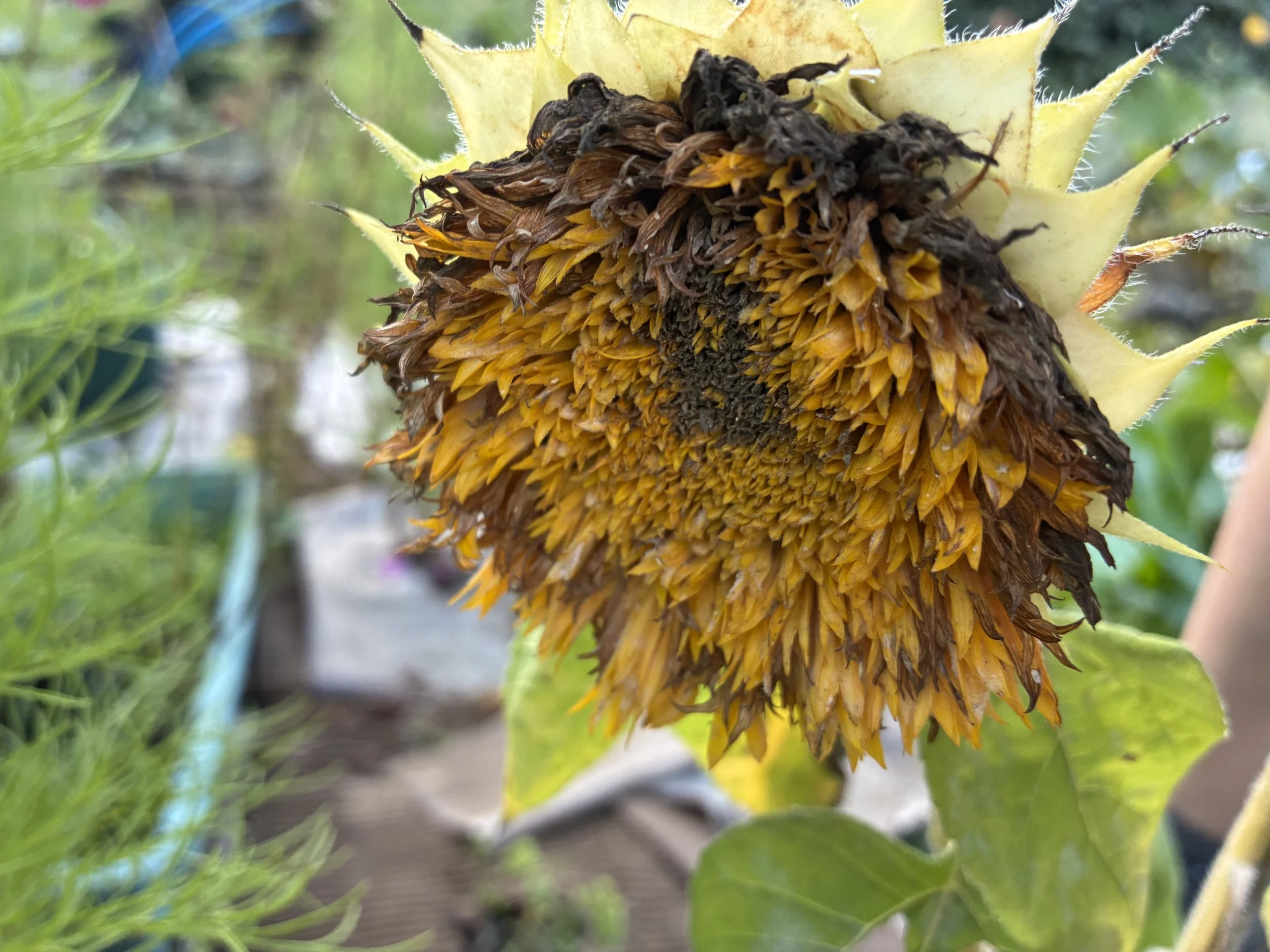
Wait until the sunflower petals have fallen and the back of the flower head has turned yellow or brown. The seeds should look plump and come away easily.
Cut off the flower head and leave it somewhere warm, dry and well ventilated. Once completely dry, rub the head gently to release the seeds.
Save some seeds for sowing next spring and consider leaving a few flower heads outside as a valuable food source for birds.
Verbena bonariensis seeds
Leave the faded flower heads on the plant until they become brown and dry. Cut them carefully and place them upside down in a paper bag.
Rub or gently shake the flower heads to release the tiny seeds. Verbena also self-seeds very successfully, so you can scatter some of the seeds directly onto the soil where you would like new plants to grow.
Dahlia seeds
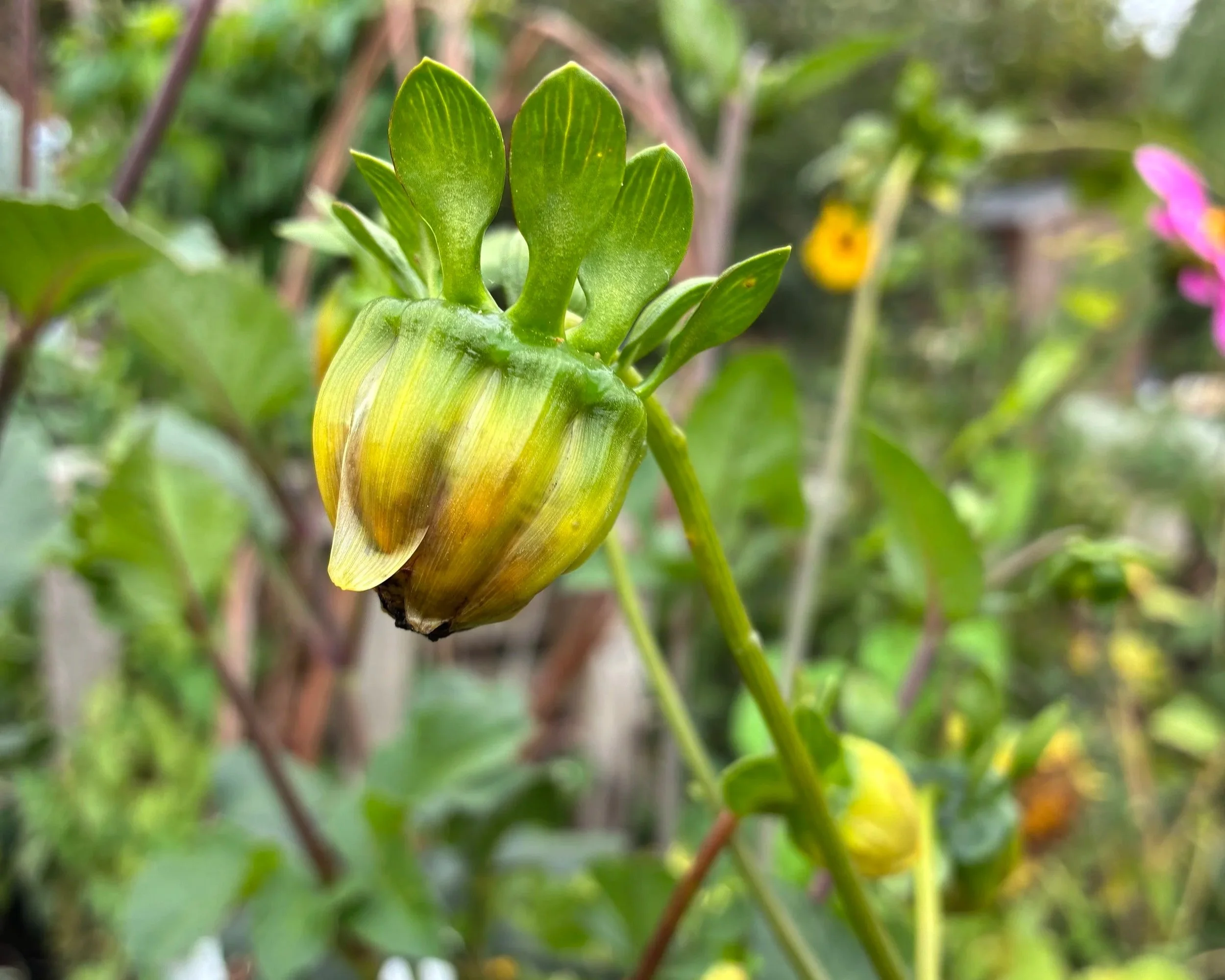
Leave a few faded dahlia flowers on the plant and allow the seed heads to turn brown and dry. Cut them off before prolonged wet weather arrives and finish drying them indoors if necessary.
Gently pull apart the dry flower heads and look for firm, dark seeds. Dahlias grown from collected seeds may not look like their parent plants—you could grow a completely new colour or flower shape.
Marigold seeds
Allow the flower heads to fade and dry on the plant. Pull off a dry flower head and break it open. Inside you will find long, narrow seeds that are usually dark at one end and pale at the other.
Remove the dried petals and spread the seeds on paper before storing them.
Nasturtium seeds
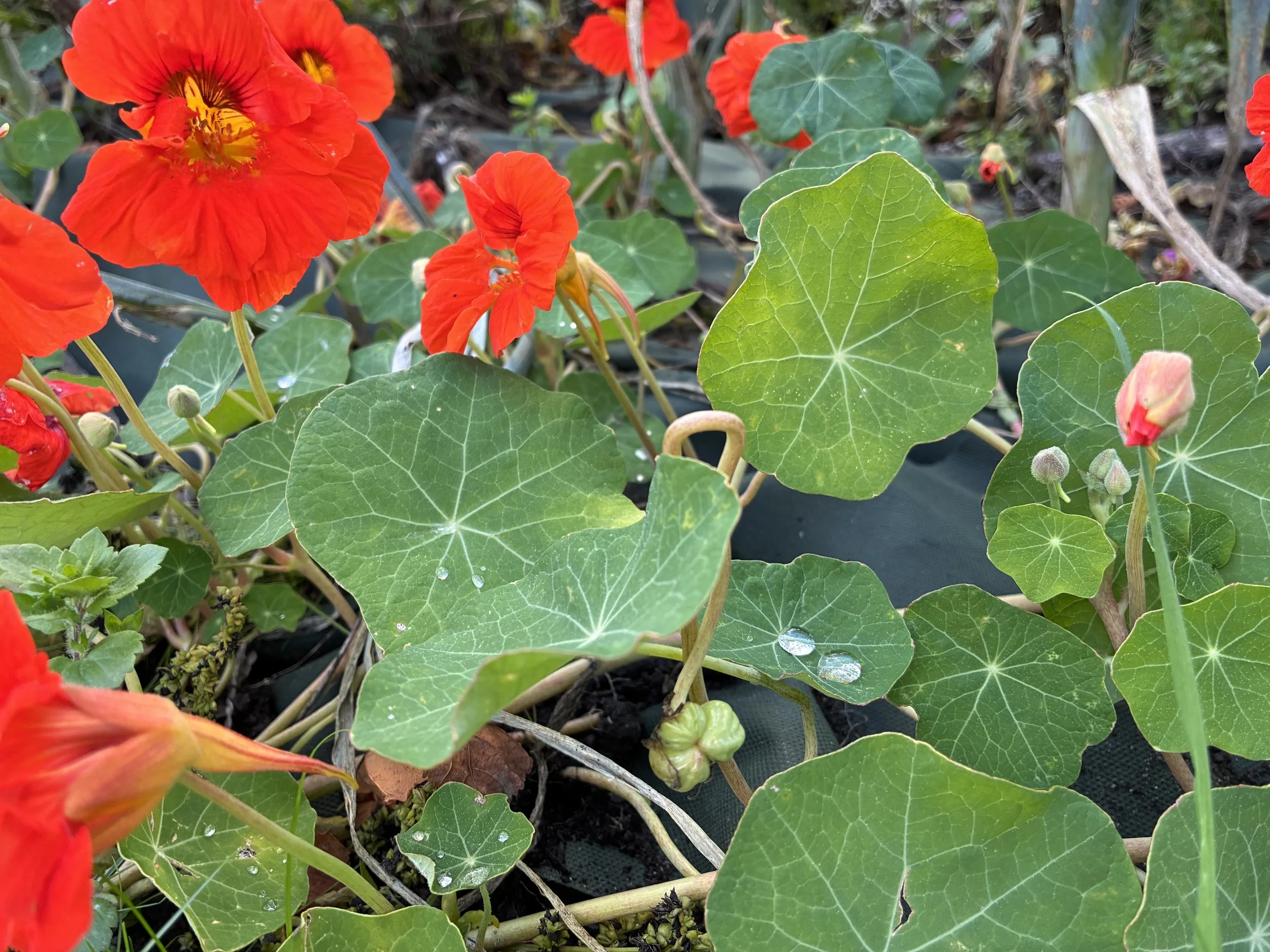
Nasturtiums produce large, round seeds that are very easy for children to spot and collect. Look around the base of the plant for seeds that have fallen naturally.
Collect the plump seeds and leave them indoors until they become hard, brown and completely dry. Do not store them while they are still green or damp.
Pumpkin and squash seeds
Seeds can be collected from fully ripe pumpkins and squash. Scoop them out, rinse away the pulp and spread them on a tray to dry thoroughly. You could do this when hollowing out your Halloween pumpkin!
However, pumpkins and squash cross-pollinate easily, so the plants grown from saved seeds may be very different from the original fruit. This can be a fun experiment, but the results are unpredictable.
Don’t forget strawberry runners
Strawberries are generally propagated from runners rather than seeds. A runner is a long stem growing from the parent plant with a small new plant at its end.
Place the young plant on top of a small pot of compost and pin it gently in position while it is still attached to the parent plant. Once it has developed strong roots, cut the connecting runner. You now have a new strawberry plant for next year.
Drying and storing your seeds
Make sure seeds are completely dry before storing them. Place them in separate paper envelopes and label each one with:
The plant name and variety
The flower colour, if helpful
The date collected
Where it was grown
Keep the envelopes somewhere cool, dark and dry until sowing time.
Seed collecting is a simple way to connect one gardening year to the next. Children can help find, sort, count and label the seeds while discovering how many different shapes and sizes nature produces.
A handful of carefully saved seeds could fill your garden with flowers, herbs and vegetables next year—and it won’t cost a penny.
Happy seed collecting!